
Success story · Immunisation microplanning
Bringing every settlement into view for polio vaccination.
How geospatial data and local knowledge strengthened campaign preparedness across six high-risk states in Northwest Nigeria.
Background
Vaccines can only reach children who appear in campaign plans.
Nigeria has made major progress against polio, but continued circulation of vaccine-derived poliovirus type 2 means that coverage gaps remain consequential. Remote, border and nomadic communities may be absent from traditional microplans when settlements lack formal names or geographic coordinates.
FACT Foundation was engaged to provide targeted support for the April 2025 campaign across six states prioritised for continued transmission risk.
The challenge
Incomplete settlement data created uneven plans and workloads.
Existing microplans and daily implementation plans did not consistently capture emerging or unnamed settlements. Late immunisation-enumeration data also made it harder to distribute workloads fairly, leaving some teams overstretched while others were underused.
For children living in overlooked communities, a missing settlement on a planning map can become a missed opportunity for a life-saving vaccine.
FACT’s approach
Standardised tools connected data with local verification.
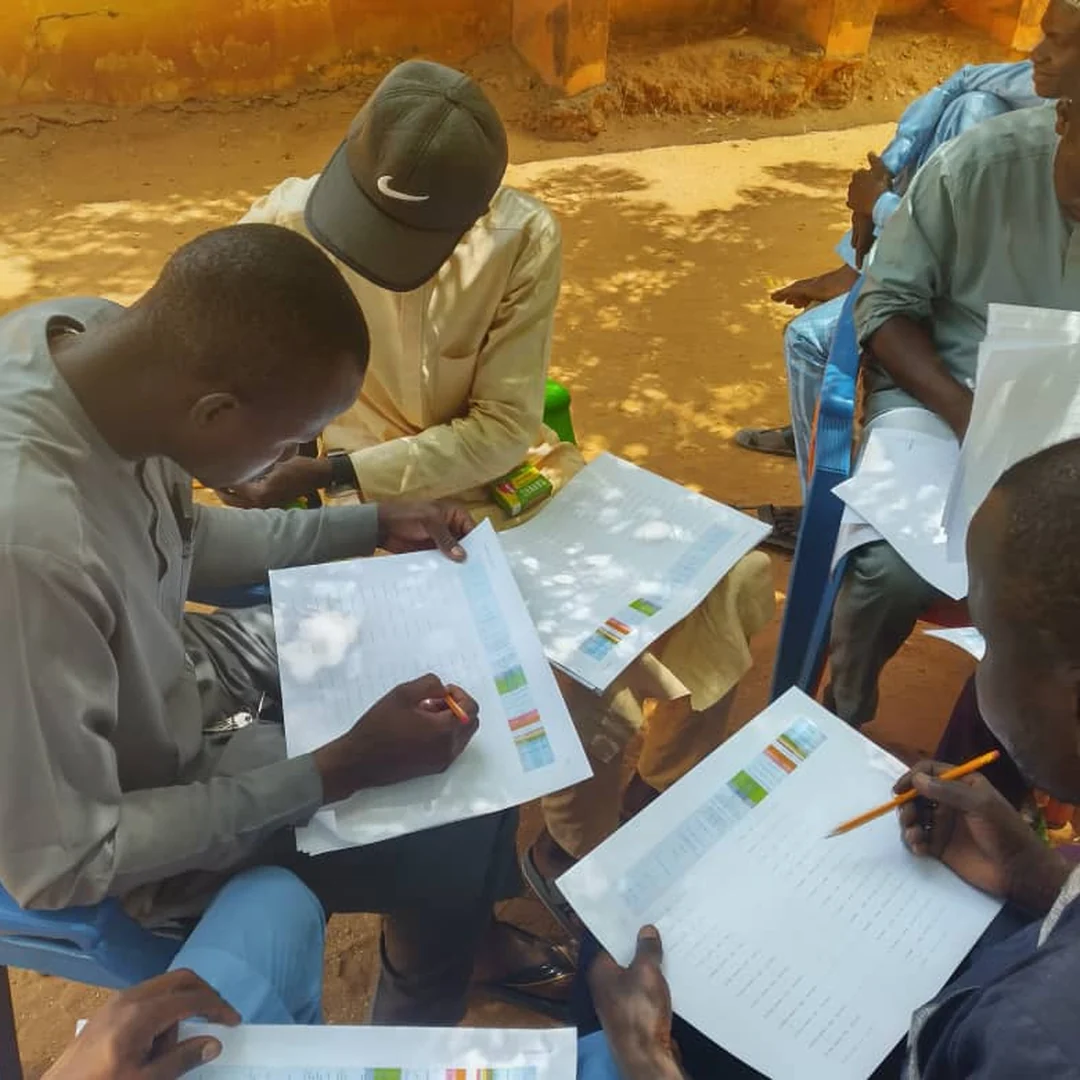
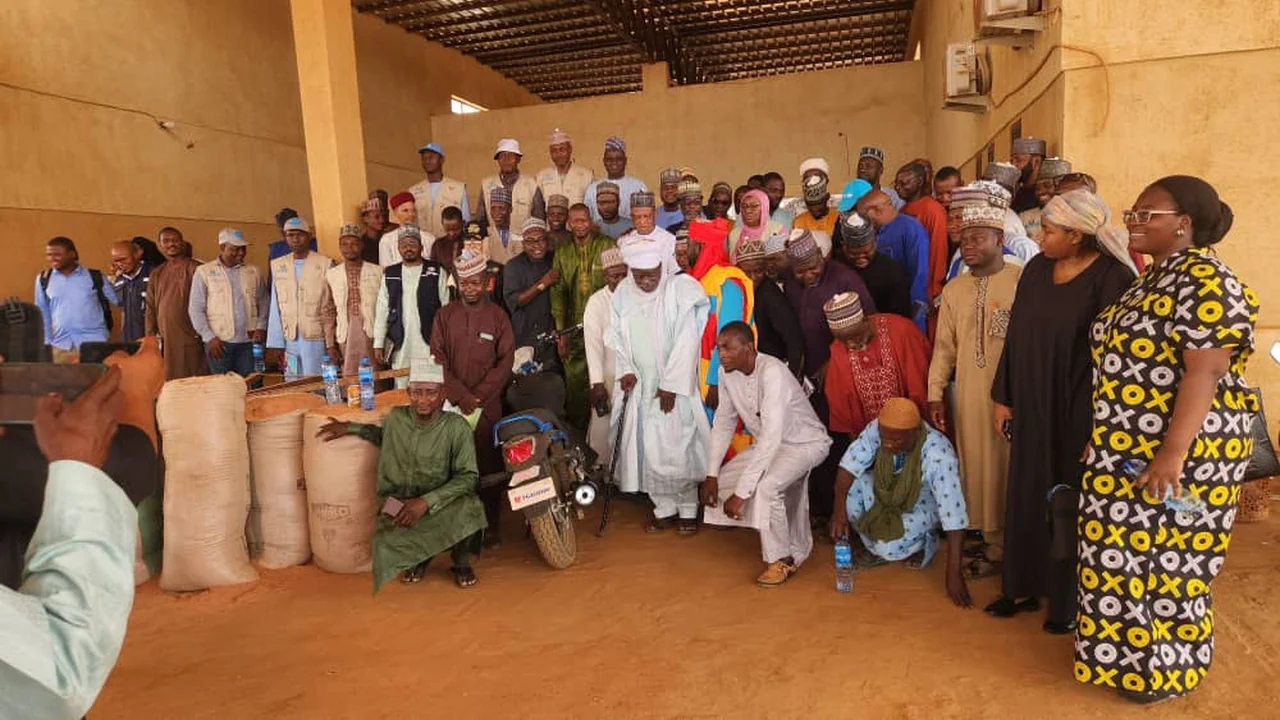
FACT developed microplan and daily implementation plan templates and prepared ward-level maps for all 1,748 wards. A team of 163 LGA consultants, supported by 12 state coordinators and data officers, worked with immunisation officers, ward focal persons and partners to validate settlements and balance team deployment.
Harmonise
Combined MLoS, GRID3 and CommCare datasets.
Verify
Confirmed habitation, names and security status with local stakeholders.
Plan
Integrated new and expanding settlements into ward microplans.
Balance
Applied enumeration data to rationalise vaccination workloads.
Results
Previously unseen communities were incorporated before implementation.
Teams validated and planned for 108,725 settlements from the Master List of Settlements. They named 3,052 previously unnamed GRID3 extents, including 1,060 entirely new additions to the master list, and validated 52,517 CommCare settlements.
Immunisation-enumeration data supported workload rationalisation in 997 wards. Forty previously unplanned settlements were added, representing an estimated 2,374 additional children, while adjustments for expanding settlements supported plans to reach more than 647,000 additional eligible children.
Why it matters
When data meets local knowledge, fewer children remain invisible.
The exercise strengthened settlement visibility, team deployment and local ownership under a compressed timeline. It demonstrates how collaborative, evidence-led microplanning can close persistent coverage gaps and support equitable vaccine delivery.